
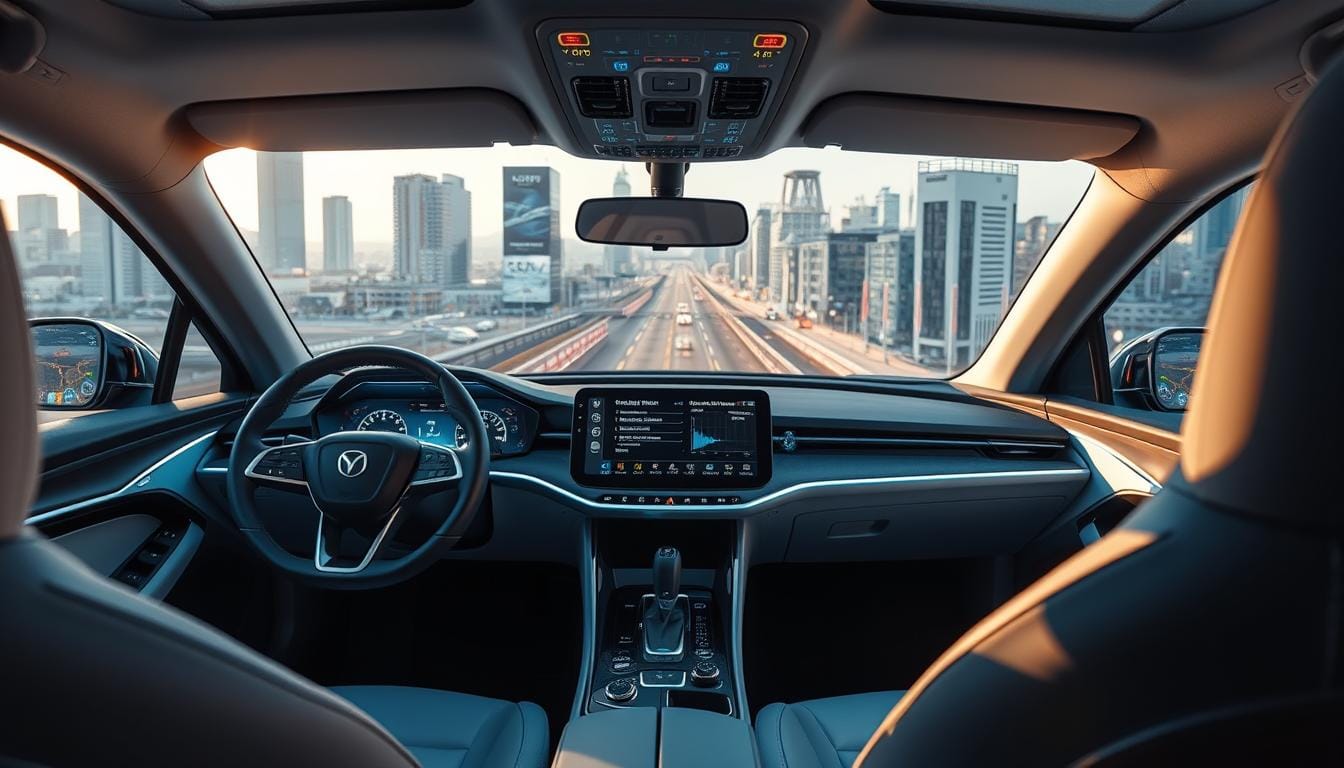
Stephen Hawking once said, “Intelligence is the ability to adapt to change.” This quote fits perfectly with the growth of advanced driver assistance systems (ADAS) in cars. Today, 36% of car industry leaders see ADAS as vital for their future plans1.
ADAS technology is key because it could make driving much safer. Sadly, over 1 million people die in car accidents every year. Also, around 50 million are hurt or disabled1.
The World Health Organization says car crashes kill about 1.3 million people yearly. Most of these are due to driver mistakes2. Experts think using ADAS now will help us get to fully self-driving cars faster1.
As ADAS keeps getting better, driving will become safer and easier. This is thanks to the smart use of advanced driver assistance systems.
Understanding Advanced Driver Assistance Systems and Their Evolution
Advanced Driver Assistance Systems (ADAS) have changed the car world. They bring vehicle safety technology to make driving safer and more comfortable. ADAS has grown from simple help to complex self-driving features3.
ADAS includes many technologies to help drivers. These include automatic braking, keeping the car in its lane, and controlling speed3.
ADAS uses sensors, cameras, and control units. These work together to offer features like adaptive cruise control and automatic emergency braking. Studies show ADAS can lower accident rates by up to 25%4.
Adaptive Cruise Control also cuts rear-end crashes by about 40% on highways4.
ADAS technology keeps getting better. It’s now in over 140 million cars worldwide3. Using ADAS can also lower insurance costs by up to 15%4.
For more on ADAS, check out vehicle safety technology resources.
Key Features of Modern ADAS Technology
Modern adas technology brings many new features to make driving safer and more comfortable. One key feature is adaptive cruise control. It keeps your car at a safe distance from the car in front5. This is really helpful in heavy traffic, where you often need to slow down.
adas systems also watch out for pedestrians and other things in the road. This helps lower the chance of accidents6.
Another big feature is lane departure warning systems. They can cut lane departure accidents by about 70%6. These systems use cameras and sensors to keep an eye on where your car is on the road. They warn you if you start to drift out of your lane.
Also, adas systems have blind spot monitoring and rear cross-traffic alert. These help keep you safe when you’re changing lanes or backing out of a parking spot7.
In summary, modern adas technology can greatly lower the risk of accidents and make driving safer. With features like adaptive cruise control and lane departure warning systems, driving becomes more comfortable and secure5. As technology keeps getting better, we’ll see even more cool features and improvements in the future.
The Role of Adaptive Cruise Control in Modern Vehicles
Adaptive cruise control is a vital part of vehicle safety tech. It helps keep a safe distance from the car in front8. It’s seen as a key part of future smart cars, making driving safer and more comfortable8. By 2019, it was known by 20 different names, like “Dynamic Cruise Control”8.
A Consumer Reports survey found 85 percent of drivers love Adaptive Cruise Control9. Also, 19 percent said it helped avoid a crash9. It first came to the U.S. in 19999. Now, it’s a common feature in modern cars9.
How Adaptive Cruise Control Works
Adaptive cruise control uses sensors and cameras to keep a safe distance8. It’s a Level 1 feature on the SAE scale, needing just speed control9. Cars with ACC let you choose how close you want to follow9.
Benefits for Highway Safety
Adaptive cruise control makes highways safer and driving better8. The BMW package with ACC cut property damage by 27 percent and injury claims by 37 percent9. It works best when paired with other safety features, making driving safer and easier8.
Lane Departure Warning Systems: Keeping Drivers on Track
Lane departure warning systems are key in Advanced Driver Assistance Systems (ADAS). They help prevent accidents by alerting drivers when they drift out of their lane. In 2022, 42,514 lives were lost in U.S. road crashes, many due to driver mistakes10. These systems watch for lane markings to warn drivers, helping to cut down on accidents.
These systems work with other ADAS features like forward collision warning and automatic emergency braking. Together, they offer a strong safety layer for drivers. Studies show lane departure warning systems can lower crash rates by 26%11.

The role of lane departure warning systems is vital. They’ve been shown to reduce crashes by 11%11. Injury rates in these crashes also drop by 21%11. As more cars get these systems, we’ll see fewer accidents on the road.
Collision Avoidance Systems: Preventing Accidents Before They Happen
Collision avoidance systems are key in vehicle safety technology. They alert drivers to dangers, helping prevent accidents. These systems can lessen the impact of crashes by allowing for quick braking12.
Studies show trucks with Forward-Collision Warning (FCW) systems crash 22% less than those without13.
The collision avoidance system plays a big role in keeping roads safe. It works with advanced driver assistance systems to cut down on accidents. In fact, ADAS technology can stop 62% of all traffic deaths, mainly because of features like automatic braking for pedestrians and lane-keeping.
By adding collision avoidance systems to cars, drivers get better safety features. These include forward collision warning, blind spot detection, and rear cross-traffic alert. Together, they offer a full vehicle safety technology package. This package helps lower the chance of accidents and encourages safer driving.
Autonomous Emergency Braking: A Game-Changer in Vehicle Safety
Autonomous emergency braking is a key part of Advanced Driver Assistance Systems (ADAS). It helps prevent or lessen the impact of frontal collisions by watching the surroundings all the time14. It uses sensors like radar, cameras, lidar, and ultrasonic to spot obstacles and figure out crash risks14.
This tech is set to cut down on crashes and injuries on the road. By 2023, it’s expected to be a standard feature in all new cars14.
The ADAS market, which includes autonomous emergency braking, is set to soar. It’s forecasted to jump from $27 billion in 2023 to $83 billion by 2030, growing 12% annually15. This surge is due to more people wanting these features and laws requiring them in new cars15.
Autonomous emergency braking is a big part of ADAS. Its success can be affected by weather, speed, and the size of obstacles14.
As more cars come with ADAS, there’s a need for better training and tools to fix and keep them running15. The US Department of Transportation wants all new cars to have a better version of this braking system14. With ADAS getting better, autonomous emergency braking is key to making roads safer and saving lives14.
Traffic Sign Recognition and Intelligent Speed Assistance
Traffic sign recognition is key in keeping drivers safe. It helps vehicles detect and follow traffic signs. This makes driving safer and more legal16. It also helps prevent speeding, which is dangerous16.
When combined with navigation, it keeps drivers updated on speed limits and signs. This ensures they know the current traffic rules17.
Traffic sign recognition is very important for vehicle safety. It’s becoming a common feature in new cars17. The European Union also makes it a must for all new vehicles17.
The role of these technologies in vehicle safety is growing. They help lower road deaths and injuries. They are leading the way to safer driving16.
Many car makers now include this feature in their models. It’s part of a bigger effort to make cars safer18.
In summary, traffic sign recognition and intelligent speed assistance are crucial for safe driving. As they improve, they will make driving safer and reduce accidents161718.
Market Growth and Consumer Adoption of ADAS
The market for Advanced Driver Assistance Systems (ADAS) is growing fast. This is because more people want vehicle safety technology. The global ADAS market size is expected to hit USD $83 billion by 203019.
Over 75% of new cars in the U.S. now come with ADAS systems20. This shows how popular ADAS is becoming.
About 65% of people looking to buy a car want one with ADAS20. The market is expected to grow by 11.0% each year from 2023 to 203021. Car makers are adding ADAS to more cars, with passenger cars making up 73.4% of sales in 202221.
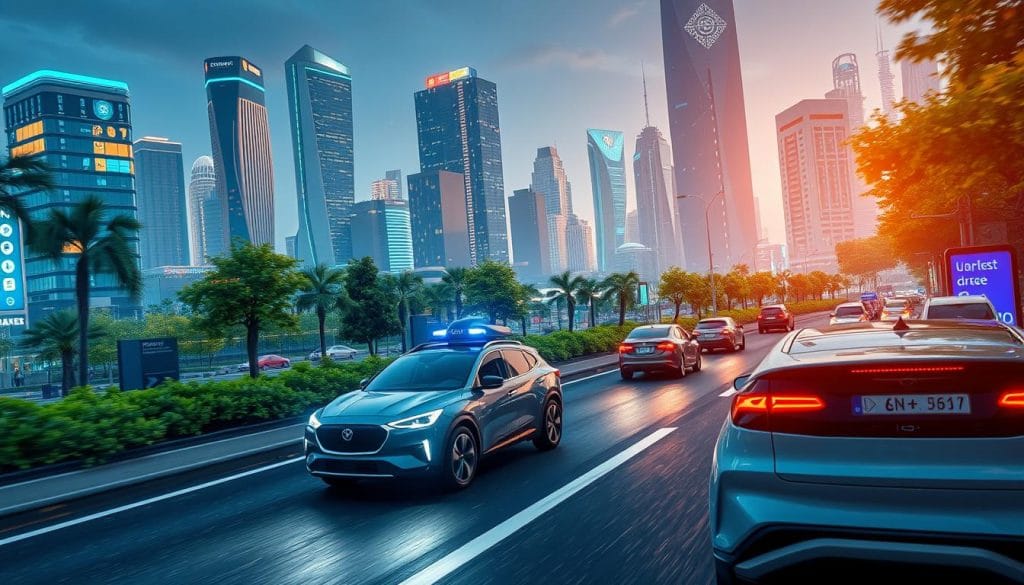
Government plans, like the European Union’s Vision Zero, are also helping ADAS grow21. This goal is to have no road deaths by 2050. As ADAS becomes more common, we’ll see it in more types of vehicles. The ADAS market is expected to reach USD 162.04 billion by 203220.
Challenges and Limitations in ADAS Implementation
Advanced Driver Assistance Systems (ADAS) face many challenges in vehicles. Weather conditions can affect sensor reliability, making vehicle safety technology22 less accurate. Dirt, snow, and fog can block sensors, leading to wrong readings of objects22. Also, lane departure warning systems vary in accuracy, which can worry drivers22.
The cost of ADAS technology is high, making it hard for car makers to add it to all cars. But, demand for ADAS is growing fast, thanks to safety rules and consumer wants23. Once people get used to ADAS, they really like it, with 87% to 89% wanting it in their next car23. Making adas technology better and cheaper is key.
Camera-based ADAS solutions need to get better, as they struggle in bad weather. Making them work better could also make them cheaper than radar or lidar23. The move to more complex software in cars is expected, which will help integrate sensors better23. By tackling these issues, the car industry can make roads safer and cut down on accidents.
The Impact of ADAS on Insurance and Regulations
Advanced Driver Assistance Systems (ADAS) are changing how we think about insurance and rules. As ADAS tech gets better, it’s key to know how it affects insurance costs and rules. Studies show ADAS can lower claim costs, with some features making a big difference24.
About 80% of cars in the U.S. now have ADAS, and Europe is making it a must for new cars25. This big move to ADAS could lead to cheaper insurance. The NHTSA says most accidents are caused by driver mistakes, so ADAS could help a lot25.
Insurance Premium Changes
Fixing ADAS cars can be very expensive because of their complex tech25. But, ADAS can also mean fewer accidents, which could lower insurance costs. As insurance companies get used to ADAS, they might offer custom prices based on how you drive25.
Regulatory Requirements
ADAS tech is driving changes in safety rules. Car makers must follow new laws and standards as they come. Features like traffic sign recognition and emergency braking will soon be common, making new rules necessary24.
Conclusion: The Road Ahead for Advanced Driver Assistance Systems
Looking ahead, advanced driver assistance systems (ADAS) are set to change the car world and make roads safer. They’re moving us closer to cars that drive themselves, thanks to ongoing tech improvements26. These systems are already cutting down on accidents with features like automatic emergency braking and lane-keeping assist.
We’re making progress towards cars that can drive on their own, thanks to the Society of Automotive Engineers (SAE)26. Connected ADAS systems will also make traffic flow better. Plus, they’ll get to know each driver’s preferences, making driving more comfortable and convenient.
ADAS in electric vehicles (EVs) can make driving more efficient and save up to 15% of energy27. About 15% of drivers with disabilities will feel more confident on the road with these systems. The ADAS market is expected to hit $200 billion by 2026, showing the industry’s dedication to safety and innovation.
But, there are big challenges ahead. We need to figure out who’s responsible in accidents and keep ADAS systems safe from hackers27. As more cars become fully autonomous, we must tackle these issues head-on. The future of ADAS is both exciting and complex, requiring a careful and comprehensive approach.