
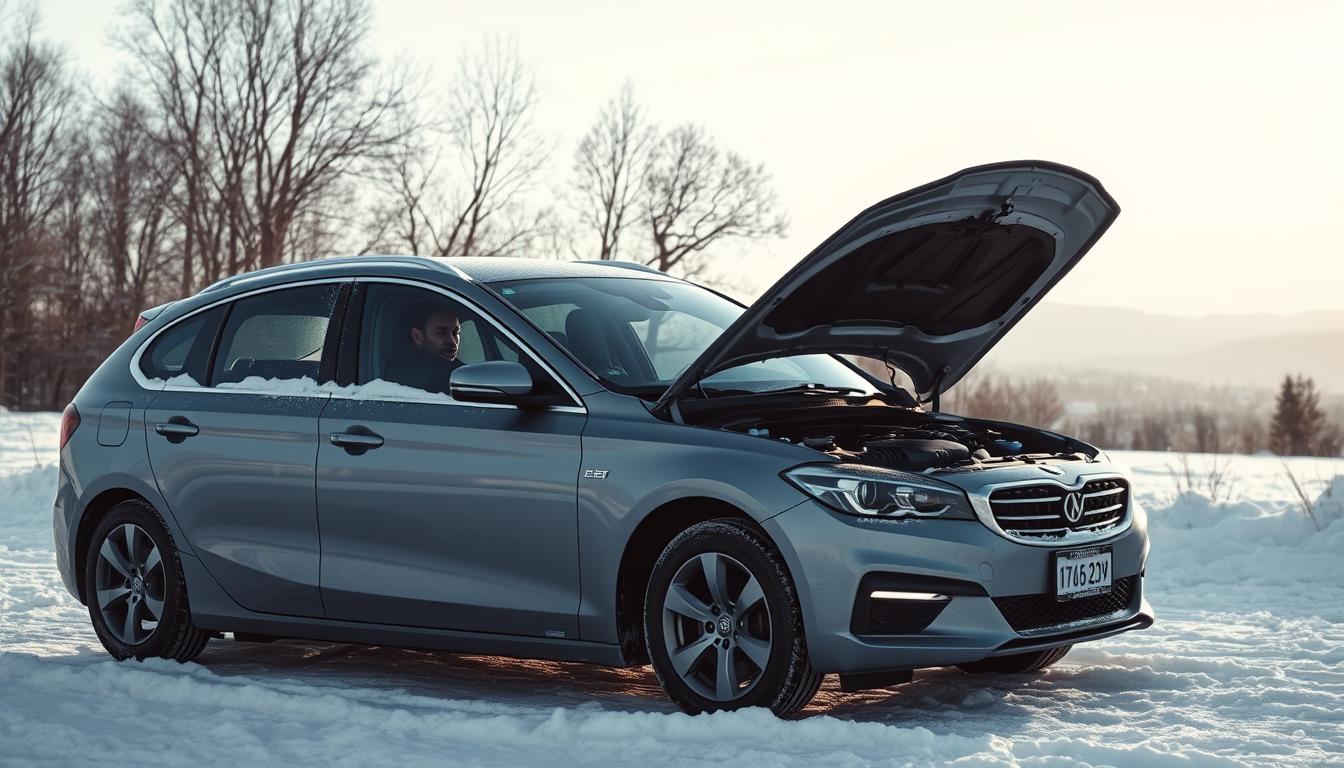
New England winters are tough, posing big challenges to cars. As a collision repair center in Worcester, MA, we’ve seen how key proper vehicle preparation is. It keeps you safe and cuts down on repair costs.
Advanced Driver Assistance Systems (ADAS) are vital in today’s cars. But, winter weather can mess with their work. Snow, ice, and potholes can mess up sensor accuracy and alignment, hurting your safety.
To keep your car running well, you must winterize your vehicle. Our team knows the importance of taking steps to protect your car from New England’s harsh winters.
Winter in New England: Unique Challenges for Modern Vehicles
New England’s winters are tough, making it hard for cars with Advanced Driver-Assistance Systems (ADAS). The extreme weather and roads can hurt how well cars work, stay safe, and last long.
New England’s Extreme Winter Conditions
New England’s winter brings heavy snow, freezing temps, and icy roads. These can make cars stop farther, lose traction, and even get damaged. Road salt and sand can also harm cars by corroding parts and messing with sensors.
Key winter conditions affecting vehicles include:
- Sub-zero temperatures impacting battery performance and fluid viscosity
- Snow and ice accumulation on windshields and sensors
- Road salt and sand causing corrosion and grime buildup
How Winter Affects ADAS Technology
ADAS features like lane departure warning and adaptive cruise control need sensors and cameras. But winter can mess with these systems. Snow can block views, and ice can change how cars move.
Snow on road lines can trick lane-keeping systems. And icy roads can make traction control systems work too hard, wearing out car parts.
Common Winter-Related Vehicle Issues in the Region
Car owners in New England often deal with cold batteries, icy tires, and damage from snowplows. These problems can make driving tough.
Common issues include:
- Battery failures due to cold temperatures
- Tire damage from icy road conditions and potholes
- Sensor and camera malfunctions due to snow and ice accumulation
Understanding How ADAS Systems Respond to Winter Conditions
When winter comes, car owners need to know how ADAS systems handle snow, ice, and fog. These Advanced Driver Assistance Systems aim to make driving safer. But, they can struggle in harsh winter weather.
Types of ADAS Features Vulnerable to Winter Conditions
Winter weather can affect many ADAS features. This includes camera-based systems, radar, and ultrasonic sensors. Knowing which systems are most at risk helps keep them working well in the cold.
- Camera-based systems can be blocked by snow, ice, or fog.
- Radar sensors might be affected by snow and ice’s properties.
- Ultrasonic sensors can be hindered by snow and ice around them.
Camera-Based Systems and Visibility Challenges
Features like lane departure warning and forward collision alert use cameras. But, snow, ice, and fog can make these systems less effective.
To keep camera-based systems working: Clean the camera lens often. Make sure windshield wipers work well. And use the right windshield washer fluid.
Radar and Ultrasonic Sensor Functionality in Snow and Ice
Radar and ultrasonic sensors are key for features like adaptive cruise control and parking help. But, snow and ice can mess with their ability to detect things and distances.
- Keep radar sensors free from snow and ice.
- Regularly check and clean ultrasonic sensors.
- Know when these systems might not work well in heavy snow.
Manufacturer-Specific Winter Considerations for Popular Models
Car makers often have special tips for keeping ADAS systems working in winter. Some models might need special care or checks.
Always check your car’s manual or talk to the maker for winter care tips for your ADAS features.
Essential Pre-Winter Inspection Checklist
New England’s harsh winters make a pre-winter inspection a must for ADAS-equipped vehicles. Our detailed checklist prepares your car for winter’s challenges.
ADAS Sensor and Camera Inspection Points
Inspecting ADAS sensors and cameras is key. Look for damage or misalignment and make sure they’re clean. Proper sensor alignment is vital for ADAS features to work right.
- Inspect camera lenses for cracks or damage
- Check radar sensors for proper alignment
- Ensure ultrasonic sensors are clean and functioning
Electrical System Assessment for ADAS Reliability
The electrical system is vital for modern vehicles, including those with ADAS. Check the battery, alternator, and wiring for any issues. A weak electrical system can cause ADAS malfunctions.
- Check battery health and charge level
- Inspect alternator belt condition and tension
- Look for signs of wear or damage on wiring
Critical Software Updates and System Calibration
Keeping your vehicle’s software current is essential for ADAS. Check for updates and ensure systems are calibrated. Calibration is critical for ADAS features to function properly.
Professional vs. DIY Inspection Options in New England
DIY inspections can save money, but pros offer a detailed check. They can spot issues before they become big problems. Think about the benefits of each when getting your vehicle ready for winter.
By using this pre-winter checklist, your ADAS-equipped vehicle will be ready for New England’s winter. It will be safe and efficient.
Preparing Your Car for Winter: The ADAS-Focused Approach
Winter is coming, and it’s time to get your car ready. This is even more important if your car has Advanced Driver-Assistance Systems (ADAS). Keeping these systems in top shape is key to staying safe on the road.
Cleaning and Protecting External Sensors from Salt and Grime
ADAS relies on external sensors like radar and ultrasonic ones. To keep them working well in winter, cleaning them regularly is a must. Use a soft cloth and mild soap to wipe away salt and grime. Doing this prevents corrosion and keeps the systems working right.
- Check sensors often for damage or dirt.
- Choose the right cleaning materials to avoid harming the sensors.
- Look for software updates that can help sensors work better in winter.
Windshield Care for Forward-Facing Camera Systems
The forward-facing camera is key for many ADAS features, like lane departure warning and adaptive cruise control. To keep it working well, keep your windshield clean. Use top-notch windshield washer fluid and replace wipers if needed. A clear and intact windshield is essential for camera-based ADAS to work right.
- Regularly clean the windshield, focusing on the camera area.
- Use de-icer or anti-freeze washer fluid to stop ice on the windshield.
- Switch to winter wipers for better snow and ice removal.
Maintaining Proper Sensor Alignment After Road Impacts
Hitting potholes or curbs can mess up ADAS sensors. After such incidents, get your sensors checked and adjusted by a pro. Correct sensor alignment is vital for ADAS to function well.
Battery Maintenance for Power-Hungry ADAS Systems
ADAS systems use a lot of power, which can strain your battery. To avoid battery problems, make sure it’s in good shape. Regular battery checks and care can stop ADAS malfunctions caused by power issues.
- Test your battery often, before winter starts.
- Look for corrosion on battery terminals and clean them if needed.
- Think about getting a better battery if your car has lots of ADAS features.
Winter Tires and ADAS: What You Need to Know
Winter tires are vital for cars with ADAS in New England, where winters are tough. They help with traction, braking, and control on snowy and icy roads. This is key for ADAS to work well.
How Tire Selection Affects Traction Control and Stability Systems
Choosing the right tires is key for traction control and stability systems in ADAS cars. Winter tires improve traction and handling in snowy and icy conditions. The right winter tire and keeping the tire pressure right are important for these systems to work best.
- Winter tires with the right tread depth and design help the car grip the road better.
- Keeping the tire pressure right ensures the tire’s contact with the road is optimal. This affects the car’s stability and traction.
- The right winter tires and working ADAS features make driving safer in winter.
Best Winter Tire Options for New England’s Varying Conditions
New England’s winters can change a lot from year to year and place to place. Choosing the right winter tire means looking at tread compound, tire tread pattern, and whether they have studs or not. Some top winter tires for New England are:
- Nokian Hakkapeliitta R3: Great for snowy and icy surfaces.
- Michelin X-Ice Snow: Offers top handling and braking in winter.
- Continental ExtremeWinterContact: Gives great grip and control on snowy and icy roads.
Tire Pressure Monitoring Systems in Fluctuating Temperatures
Tire Pressure Monitoring Systems (TPMS) are key for keeping tire pressure right. This affects handling, fuel efficiency, and ADAS features. Changing temperatures can change tire pressure, so regular checks are a must. Drivers should check tire pressure monthly and before long trips, adjusting as needed.
Recalibration Requirements After Seasonal Tire Changes
After switching to or from winter tires, check if your car’s ADAS needs recalibration. Some cars may need recalibration after seasonal tire changes to keep ADAS working right. This is true for advanced systems that need precise sensor alignment and calibration.
Knowing the importance of winter tires for ADAS cars and taking care of tire maintenance and system calibration can make driving safer in New England’s winter.
Fluid Maintenance for Winter ADAS Reliability
To keep your car’s ADAS working well in winter, focus on fluid maintenance. The right fluid levels and types are key for many systems, including ADAS.
Windshield Washer Fluid Selection for Camera Visibility
Choosing the right windshield washer fluid is key for clear camera views. Use a fluid rated for low temperatures to avoid freezing. Pick a winter-specific fluid to clear snow and ice well.
Antifreeze Requirements for Modern Cooling Systems
Modern cars need antifreeze to keep the engine cool. Using the correct type of antifreeze protects your engine. Make sure it’s filled to the right level, as your car’s manual suggests.
Brake Fluid Considerations for ABS and Electronic Stability Control
Brake fluid is key for ABS and ESC, important ADAS features. Maintaining the correct brake fluid level is essential. Regularly check and top off brake fluid to keep these features working right.
Oil Selection for Cold Weather Performance and Sensor Protection
The oil in your car affects its cold weather performance and sensor life. Using oil that meets your vehicle’s specifications for cold weather helps. Check your owner’s manual or talk to a pro to find the best oil.
Emergency Supplies and Tools for ADAS-Equipped Vehicles
Preparing your ADAS-equipped vehicle for winter is more than just maintenance. It’s also about having the right emergency supplies and tools. Our experience in ADAS calibration services shows that being prepared can greatly improve safety and functionality during New England’s harsh winters.
Sensor and Camera Cleaning Supplies for Roadside Maintenance
It’s vital to keep your vehicle’s sensors and cameras clean for ADAS features to work right. We suggest having these cleaning supplies ready:
- Microfiber cloths for gentle cleaning without streaks or residue.
- Sensor-safe cleaning solutions made for automotive sensors and cameras.
- Compressed air for removing debris from small areas.
Emergency Power Solutions for ADAS System Resets
Having an emergency power solution can be a lifesaver in case of a dead battery or system failure. Consider these options:
- Portable jump starters that are compact and powerful.
- Battery packs with enough capacity to power your vehicle’s systems temporarily.
Recovery Tools Compatible with Modern Vehicle Design Points
When recovering a stuck or stranded vehicle, it’s key to have tools that fit modern vehicle designs. Our recommendations include:
- Tow straps or recovery ropes designed for your vehicle’s weight and type.
- Shovels and traction mats for better traction on snowy or icy surfaces.
Tech Tools for ADAS Troubleshooting in Remote Areas
For those who explore remote areas, the right tech tools are essential for ADAS troubleshooting. Consider investing in:
- ADAS diagnostic tools that can connect with your vehicle’s systems.
- Smartphone apps for monitoring and troubleshooting vehicle systems.
With these emergency supplies and tools, you can keep your ADAS-equipped vehicle safe and functional all winter long.
Daily Winter Maintenance Routines for ADAS Functionality
To keep your vehicle safe on New England’s harsh winter roads, daily ADAS maintenance is key. Our team stresses the need for regular care to keep these systems working right.
Morning Sensor Clearing Procedure Before Commuting
Start your day with a sensor clearing routine to boost your vehicle’s ADAS performance. First, turn on your car and let it warm up for a few minutes. Then, use a soft brush or a cleaning tool to remove snow or ice from sensors and cameras.
Focus on the front grille, windshield, and rear bumper where sensors and cameras are found.
- Gently remove snow and ice without scratching the surfaces.
- Use a microfiber cloth to dry the areas after clearing.
- Check your vehicle’s manual for specific guidance on sensor locations and cleaning recommendations.
Safe Snow and Ice Removal Techniques for Sensor Areas
When removing snow and ice, avoid damaging ADAS sensors and cameras. Use a snow brush with soft bristles and avoid metal scrapers or hard brushes. For stubborn ice, use a de-icer spray instead of scraping to prevent damage.
- Start by clearing the roof and windshield to ensure visibility.
- Gently clear snow from the hood and trunk areas where sensors are often located.
- Use a gentle sweeping motion to clear snow from the side mirrors and windows.
Monitoring System Alerts and Warnings During Winter Operation
ADAS systems alert you to issues, including winter conditions. Pay close attention to dashboard warnings and alerts related to ADAS. If you get a warning, check your vehicle’s manual or contact a professional for help.
- Understand the different types of alerts your vehicle can display.
- Know how to respond to common ADAS-related warnings.
- Keep your vehicle’s software up to date to ensure you have the latest alerts and features.
Strategic Parking to Protect Sensors from Snow Plows and Drifts
Where you park can affect your vehicle’s exposure to snow and ice. Choose parking spots that are protected from direct snow plowing and drifting. If possible, park in a garage or a covered area. If you must park outside, try to position your vehicle to minimize exposure to winds and snow drifts.

By following these daily winter maintenance routines, you can ensure your vehicle’s ADAS systems work well all winter. Our team is here to offer expert guidance and support to keep your vehicle safe and reliable on New England’s roads.
Navigating New England Winters with Confidence: ADAS as Your Co-Pilot
As we wrap up our guide on getting your car ready for winter, it’s clear ADAS are key. They boost safety and confidence on New England’s winter roads. By keeping ADAS in top shape, you can drive through harsh winters with more ease and safety.
Our checklist for winterizing your car stresses the need for ADAS to work right. This means checking and cleaning sensors, making sure they’re aligned, and updating their software.
By sticking to our advice and focusing on ADAS upkeep, you’ll have extra protection while driving in winter. Remember, a well-kept ADAS is essential for safe and confident winter driving in New England.